Key Takeaways
- SEO brings free clicks from Google, but it takes a while. SEM adds paid ads for speed.
- SEO is actually one piece of SEM, so they’re teammates, not rivals.
- SEO vs SEM costs look different: SEO eats time, SEM eats ad budget.
- Paid search can deliver clicks in days. SEO often needs months.
- Most businesses end up using both, starting with whatever fits their budget today.
Think about two shops on the same street. One owner pays for a huge neon sign. The other spends years earning a loyal crowd of regulars. Both get customers. They just get them differently. That’s SEO vs SEM in a nutshell. Below, we’ll walk through the difference between seo and sem, so you can pick what suits your goals and your wallet.
What is SEO?
SEO stands for search engine optimization. You tweak your website so Google puts it higher up the page, and you don’t pay per click. That means keyword research, useful content, quick-loading pages, and links from trusted sites. The visitors cost nothing, but the effort does. Start with a good on-page SEO checklist and the basics get easier.
What is SEM?
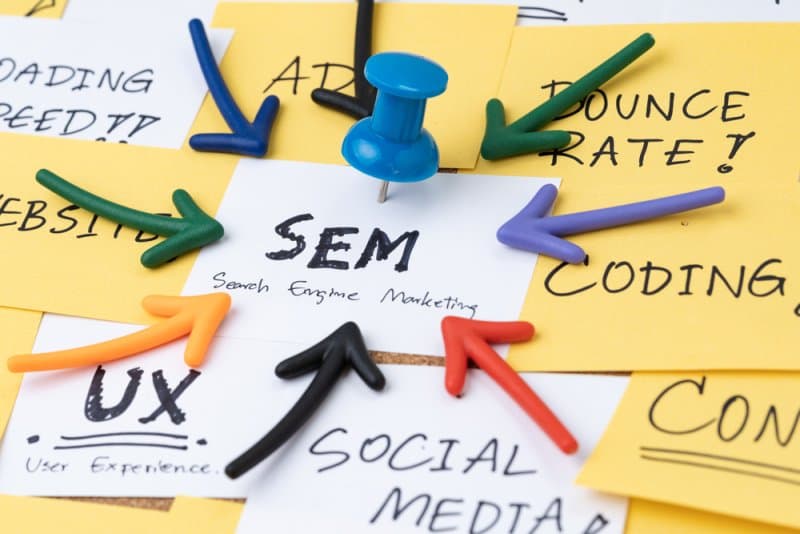
SEM means search engine marketing. Think of it as the bigger umbrella, covering organic SEO and paid search ads together. When most people say SEM, they mean pay-per-click ads. You bid on a keyword, and you’re charged only when someone clicks. Your ad can sit at the top of Google within hours.
What is the Difference Between SEO and SEM?
The difference between seo and sem mostly comes down to money and timing. SEO earns organic rankings slowly, while SEM includes ads that appear right away. This table lays out SEO vs. SEM marketing side by side.
| Factor | SEO | SEM |
| Traffic type | Organic, unpaid | Organic plus paid |
| Speed | 6 to 12 months | Hours to days |
| Cost | Time and skill | Ad budget plus effort |
| Lasting value | Keeps working | Stops when ads stop |
| Click cost | None | Pay per click |
What are the SEO vs SEM Benefits?
Both options have real strengths, and neither one fits every situation. So before you spend a dollar or a weekend, weigh the SEO vs SEM benefits against your goals, your deadline, and what your budget can realistically handle right now.
Why SEO Pays Off Over Time
A page that ranks keeps sending visitors without extra ad spend. Plenty of searchers also trust organic results more than ads. One solid article can bring in leads for years. And every new post adds to what came before, so growth snowballs.
Why SEM Delivers Speed and Control
Paid search puts you in front of buyers almost immediately. You pick the keywords, the city, the audience, and the daily spend. Testing ad copy is fast too, so you learn what works within days. That’s why SEM is great for launches and sales.
SEO vs SEM Costs: What Will You Really Pay?
People love saying SEO is free. It isn’t. You’ll pay for content, tools, technical fixes, and link building. Semrush cites a Backlinko study that puts small business SEO spending at roughly $100 to $5,000 a month. SEM stacks ad spend on top, and every click has a price.
SEO vs SEM Results: How Fast Will You See Them?
SEM can bring clicks in a few days. SEO usually needs six to twelve months before you see clear results. Semrush looked at nearly 30,000 new sites and found that few kept first-page rankings for a whole year. Paid ads also vanish the second you pause them.
SEO vs SEM: Which is Better for Business?
There’s no single winner. The right pick depends on your budget, your timeline, and what you want from search. These short lists should help you sort out SEO vs SEM for business needs, whether you run a corner shop or an online store.
Choose SEO When You
SEO rewards patient brands that want steady growth without paying for every visit.
- Have a tight marketing budget
- Can wait a few months for results
- Want lasting trust and authority
- Go after “how to” and informational searches
- Can publish content regularly
Choose SEM When You
SEM suits brands that need traffic now and can pay for it.
- Have room for ongoing ad spend
- Need leads or sales this month
- Are running a sale or launch
- Target “buy” and “near me” searches
- Want tight control over who sees ads
Should I Use SEO or SEM for My Business?
Start with your main goal. A new local bakery needs phone calls this week, so SEM helps first. A software company with a long sales cycle usually gets more from SEO content. If cash is tight, begin with SEO and add small ads later.
Build a Smart SEO vs SEM Strategy
The best SEO vs SEM strategy uses both. Paid ads hand you quick data, and SEO turns the winning ideas into assets you actually keep. Try these three simple steps, and you’ll stop burning money on guesswork or random tactics.
1. Match Keyword Intent First
Figure out what searchers actually want before you spend anything. Informational searches suit SEO content, while buying searches suit ads. Once you understand keyword intent, every page and every ad lines up with the right visitor. It saves budget, and conversions usually improve.
2. Test With Paid, Then Build With SEO
Launch a small ad campaign first. Watch which keywords bring clicks and actual sales. Then write detailed content around those winners. This order lowers your risk, because you only invest in SEO once paid data proves people want it. Plenty of teams work this way.
3. Track Both Channels Together
Put organic and paid traffic into one report. Track leads, sales, and cost per result, not just clicks. Check the numbers every month, shift budget toward what’s working, and drop what isn’t. Small, steady tweaks usually beat big, risky bets.
Conclusion
SEO and SEM aren’t enemies. SEO builds trust and steady traffic, while SEM gives you fast visibility you can control. Look at your budget, timeline, and goals, then start with whichever fits today. Smart marketers use both, so keep testing and tweaking.
Frequently Asked Questions
Is SEO a part of SEM?
Yes. SEM is the wider term for search marketing, and SEO sits inside it. Some people use SEM only for paid ads, so check the context whenever you compare the two terms.
Can small businesses use SEO and SEM together?
Yes, and a lot of them do. A good way to start is with a small ad budget, so leads come in quickly, while you build up your content and local listings in the background. Give it some time and your organic traffic can take over the work those paid clicks were doing.
Does SEM guarantee more sales than SEO?
Not at all. Ads get people to your site fast, but whether they buy comes down to your offer, your landing page, and who you’re targeting. A weak page burns through your budget. A strong organic page, on the other hand, keeps bringing in customers without costing you per click.
When should I stop running paid ads?
Stop when each sale costs you more than you make on it, or when you already rank organically for the same searches. Check your numbers once a month, and hang on to any campaign that clearly earns back what you spend on it.