
How AI in Music Production is Changing the Industry

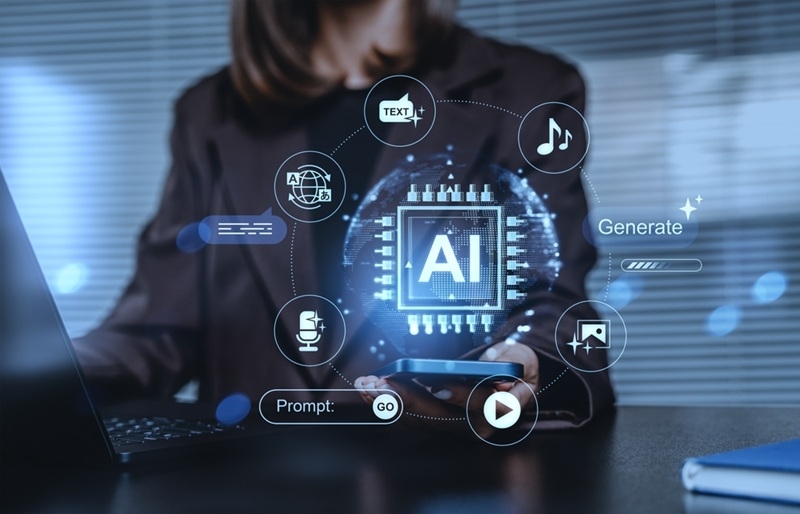
Your favorite producer is probably using AI right now. Seriously. Walk into any studio in America, and someone's using some kind of AI tool. We're talking 60% of producers. Every day, 50,000 new AI-generated songs get uploaded to Spotify. This is happening whether you like it or not.
I'm not saying robots are taking over music. That's not what's going on. AI is just becoming another tool in the toolbox. Like when synthesizers first came out, and people freaked out. The same thing is happening now.
What Does AI in Music Production Actually Do?
AI in music production is basically software that listens to your music and makes suggestions. It's not magic. It's pattern recognition on steroids.
Back in 1951, Alan Turing made the first computer-generated music. People thought it was wild. In the 90s, David Bowie worked with a programmer to build something called Verbasizer. It took words and randomly rearranged them to create new lyrics. Bowie was experimenting with how machines could be creative partners.
Fast forward to today. How AI is changing music production comes down to this: you describe what you want, the AI makes something, then you take it and make it yours. That's the real workflow happening in studios right now. Nobody's just pressing a button and calling it a day. Understanding how AI is changing music production requires knowing that the technology adapts to your vision, not the other way around.
The Tools Actually Working
You can describe a song vibe and get a full track back. "Chill lo-fi hip hop with jazzy chords." Boom. You get vocals, beat, everything. Suno's got 100 million users doing this. AI music generation platforms like this are becoming standard in most studios. Whether you're making beats for a TikTok video or producing a full album, AI music generation tools give you options you didn't have five years ago. The speed alone changes everything. What took weeks now takes hours.
Stem separation is wild. You know how you hear a song and think, "I wish I could just get the vocals"? That's what this does now. It breaks a finished song into pieces. Drums on their own. Vocals on their own. Bass separate. DJs are losing their minds over this.
Pitch correction isn't Auto-Tune anymore. Tools like Melodyne let you grab individual notes and fix them without the whole thing sounding like a robot. You can keep the natural feel while fixing the mistakes.
Mastering used to mean booking expensive studio time. Now AI can master your track in like 30 seconds. Does it replace a real mixing engineer? No. But for indie artists working at home? It's a total game-changer. Professional mastering engineers still get hired because they have taste. They know what sounds good. Software can't fully do that yet.
If you want to jump in, platforms like GPT Music DJ are straightforward. Type what you want. Get production-ready music back. No expensive equipment. No need to know music theory. Perfect for someone making beats in their bedroom.
Real Producer Numbers Show Massive AI Adoption Across America
Here's what the numbers say. Survey of 1,100 producers in 2026: 60% use AI to come up with ideas. Like, they'll ask the AI for melody ideas or chord progressions, then they build something real from it. Another 30% throw AI suggestions right into their finished songs.
Independent musicians are seeing the biggest change. These are people who couldn't afford studio time before. Now they're making decent demos at home. Mastering their own stuff. Trying sounds like they never had access to.
People making YouTube videos face a real problem. Post copyrighted music and YouTube flags it. Boom. No money. AI-generated music fixes that. Free backgrounds that don't trigger copyright strikes.
Explore More: Discover Korean Pop Music That Captivates Gen Z Worldwide
How AI is Changing Music Production Across the Industry
How AI is changing music production isn't just about individual creators anymore. Major labels are using it for A&R decisions. Streaming platforms are experimenting with AI-curated playlists. How AI is changing music production means the entire ecosystem is shifting, from how music gets discovered to how it gets made in the first place.
The reality is that artificial intelligence in the music industry is now part of the conversation at every major label meeting. Executives know they can't ignore it. Some artists are embracing it. Others are deliberately avoiding it to stand out. Either way, artificial intelligence in the music industry is forcing everyone to make a choice about their creative direction.
The Messy Part: Ethics
Early AI tools trained themselves on songs without asking. Companies scraped whole artist catalogs to teach their systems. Artists weren't happy.
Then AI started cloning voices. There was this song called "Heart on My Sleeve" that used AI to make it sound like Drake and The Weeknd. Never asked them. Never paid them. People went nuts over this.
The industry actually responded. Major labels cut deals with AI companies. Now, if someone wants to use your voice, they have to ask first. They have to pay you.
Today's responsible AI platforms only use licensed music for training. They tell you where their data comes from. They stick invisible watermarks on songs so you can prove you made them. The Grammys updated their rules, too. You can win with AI-assisted music, but humans have to make the main creative decisions.
Remote Work and Collaboration
The pandemic forced musicians online. That trend stuck. About 70% of music work now involves people in different places. Cloud-based recording tools make it work. You can have a band member in one state and a producer in another working on the same song simultaneously.
AI fits into this. Cloud tools let remote teams use the same artificial intelligence in music industry features. One person generates ideas. Someone else in a different time zone refines them. Everyone's working together. This shift shows exactly how artificial intelligence in the music industry is reshaping workflows and making collaboration easier across distances.
You may like to explore: The 20 Best Taylor Swift Pop Songs: Rocking On
Final Takeaway: Where This Goes
The future of AI in music production isn't robots replacing musicians. It's handling the boring technical stuff so you can focus on being creative. New AI systems will understand emotion better. They'll get what you're actually trying to do artistically.
The future of AI in music production also means better tools for protecting your work. Blockchain tech will handle royalty payments automatically. Everyone gets paid fairly without figuring out spreadsheets. Better fingerprinting will catch copyright problems before your song even hits Spotify.
Real talk: musicians make music. AI does the tedious parts. The producers winning right now are the ones who understand both the art side and the tech side. They use AI as a creative partner, not a replacement for actually thinking. Looking ahead, the future of AI in music production belongs to people who can blend human creativity with machine efficiency.
FAQ
Can you own and sell music made with AI?
Yeah, you can. As long as you used a legit AI platform with licensed music and you actually made creative decisions, it's yours. Own it. Sell it. Get paid. The trick is using platforms that are honest about where they got their training data. Don't use sketchy tools trained on stolen music. Look for platforms that use licensed stuff, give you watermarks, and protect you from YouTube takedowns. When you're in control creatively, and the tool uses real data sources, you own what you make.
How do you tell if an AI music tool isn't sketchy?
Look for three things. First, they should tell you exactly where they got their training data. Second, they only use licensed music. Third, they're clear about what you own. Legit platforms disclose their sources. They don't steal artists' voices or scrape catalogs. They give you watermarks and attribution stuff. If a platform can't explain where its data came from or won't tell you what rights you have, walk away. Read the terms. If it's vague, it's probably not trustworthy.
What do you still need to know about music if AI does the work?
Basically, everything important. You need music theory. You need to know the arrangement. You need production knowledge so you can actually direct the AI. You need ears. You need to know what sounds good. AI can spit out ideas forever, but only you decide if they're worth keeping. The best producers know traditional music stuff AND how to use AI. They know when to take the AI's suggestion and when to say "nah, we're doing it differently." That ability to judge? Machines can't replace that.
This content was created by AI