
Best Gothic Books for Dark Tales and Timeless Mystery


Dark stories never really disappear. They wait. A strange house on a hill, old family secrets, storms, silence, locked rooms — something about them keeps readers coming back. Gothic fiction sits in that space between fear and fascination. It gives mystery, emotion, tragedy, sometimes romance too, but rarely comfort. Some books feel slow and heavy, others sharp like broken glass. Yet they stay in memory. The best ones do, anyway. In this blog, we will look at the best Gothic Books, famous dark novels, old classics, plus timeless mysteries that still feel strangely alive.
Best Gothic Books That Still Feel Haunting
The Best Gothic Books usually share one thing — atmosphere. The setting almost feels alive. Old castles, lonely homes, broken families, hidden madness. These stories are not horror in the simple sense. They unsettle quietly.
Why These Gothic Books Still Matter
Many readers think Gothic novels feel old-fashioned. Sometimes they are. Yet the emotions inside them remain modern enough. Fear, obsession, loneliness, grief. Those things never really age.
Some books drag you into sadness. Others confuse you in a good way. You finish them, but something keeps lingering.
Here are some unforgettable names worth reading:
- Dracula by Bram Stoker is a strange blend of horror, mystery, travel writing, and this constant dread of the unknown. Count Dracula himself hardly shows up, but somehow, that just makes him scarier. The book is all letters and diary entries at first, which can feel odd, but after a while, it just clicks.
- Frankenstein by Mary Shelley isn’t just a monster story. It’s really about guilt, loneliness, and ambition headed in the wrong direction. The creature feels heartbreaking, sometimes frightening, sometimes painfully human. It’s an odd mix, but it works.
- Rebecca by Daphne du Maurier is quietly disturbing. A young woman marries into a grand estate and ends up haunted by the memory of her husband’s first wife. Not a lot “happens” at first, but tension builds quickly.
- Jane Eyre by Charlotte Brontë is part romance, sure, but there’s this dark undercurrent. There are secrets behind closed doors, lots of emotional solitude, and big questions about right and wrong. It doesn't hit as hard as horror, yet it still has that heavy Gothic mood.
Dark Places Matter More Than the Plot
Gothic stories care about mood. Maybe even more than action.
A decaying mansion says something before characters even speak. Rain, cold winds, empty halls — all of it matters. In many Gothic books, the setting feels like another person in the room.
That is partly why readers stay attached.
Don't Miss: Best Thriller Movies on Hulu That Keep You Hooked to Screen
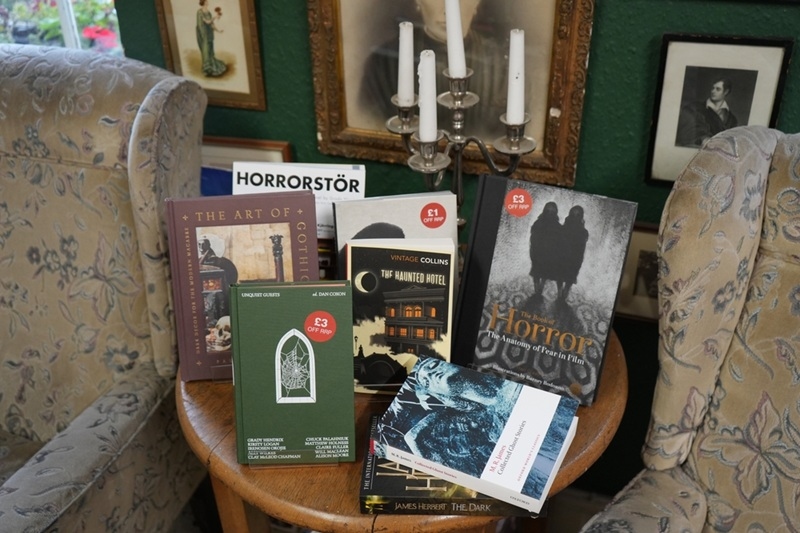
The Best Gothic Novels of All Time Worth Reading
When people discuss the best Gothic novels of all time, certain names always return. Some are centuries old. Yet readers still recommend them because the tension never fully disappears.
The Strange Power of Wuthering Heights
Wuthering Heights by Emily Brontë feels angry. Messy too.
Love in this novel is obsessive, cruel, and destructive. Heathcliff stays unforgettable because he is difficult to like, yet impossible to ignore. The moors feel cold, lonely — almost hostile. A hard book sometimes, but powerful.
The Mystery Hidden Inside the Picture of Dorian Gray
The Picture of Dorian Gray by Oscar Wilde mixes beauty with decay. Vanity turns ugly in quiet ways.
The idea itself feels Gothic — someone remaining young while corruption grows elsewhere. Elegant writing sits beside disturbing thoughts. It moves strangely fast, considering how old it is.
The Terror of Isolation in the Haunting of Hill House
The Haunting of Hill House by Shirley Jackson creates fear without relying on monsters jumping from shadows.
The house feels wrong from the beginning. Almost breathing. The tension grows through uncertainty rather than clear answers, which honestly makes it worse.
Lesser-Known Yet Worthwhile Picks
Some Gothic novels stay hidden beside bigger classics. Yet they deserve attention.
- The Monk by Matthew Lewis crams in scandal, religion, temptation, and horror in some unexpected and bold ways.
- Mexican Gothic by Silvia Moreno-Garcia proves that the Gothic novel’s not dead. The atmosphere is thick, the family secrets are twisted, and the house itself feels completely wrong.
- The Woman in White by Wilkie Collins is a suspenseful page-turner, full of mystery—honestly, it feels almost modern.
Not every Gothic story has ghosts. Sometimes people are frightening enough.
Why Classic Gothic Fiction Never Gets Old
There is a reason classic Gothic fiction keeps finding new readers. The fears inside these books are oddly familiar.
People still fear betrayal. Isolation. Losing control. Being trapped inside places — or relationships — they cannot escape.
Old Stories With Modern Feelings
Take Frankenstein again. It asks dangerous questions about creation, responsibility, and ambition. Those questions still matter today, maybe more than before.
Or Rebecca, where insecurity quietly destroys confidence. That feeling feels painfully current.
Even older books carry emotional truths that stay recognizable.
Gothic Fiction Loves Uncertainty
Modern thriller books often rush for answers. Gothic fiction rarely does.
Things stay unclear. Was it supernatural? Was it madness? Did something terrible really happen? Sometimes you never fully know.
And oddly, that uncertainty works.
Readers often remember unanswered things longer than neat endings.
Also Read: 36 Most Anticipated Books 2026 That Booklovers Can't Miss
Conclusion
People revisit Gothic books because they create a feeling difficult to replace. Unease mixed with beauty. Mystery sits beside sadness.
These stories rarely hand readers comfort. They ask questions instead. What happens when obsession grows too far? What hides behind closed doors? Can people outrun guilt? Usually not.
There is also something oddly comforting about darkness handled well. Maybe because Gothic fiction slows things down, it lingers in strange rooms, old memories, ruined houses.
FAQs
What actually makes a book truly Gothic?
A real Gothic novel hits you with a dark mood, emotional strain, mystery, and that sense of being cut off or alone. You get old, spooky houses, secrets everywhere, and characters wrestling with their own problems. It doesn’t have to have ghosts to feel haunted.
Are Gothic books just horror novels in disguise?
Not really. Horror wants to frighten you, plain and simple. Gothic fiction pulls in fear, but also blends in mystery, romance, history, lots of emotion, and internal conflict. Sometimes you don’t feel scared, just unsettled and weirdly hooked.
Which Gothic book is best for teens?
Rebecca, Frankenstein, or Jane Eyre are all solid picks. They’ve got enough mystery and feeling to keep things interesting, but aren’t impossible to read. The older classics can be a little slow, so patience pays off.
Do modern books still count as Gothic?
Absolutely. Writers still play with the same themes—creepy mansions, strange families, hidden agendas, fear that gets into your head. Books like Mexican Gothic show the genre isn’t gone—it’s just evolving.
This content was created by AI