
How Music Marketing Helps New Artists Reach Their Audience?

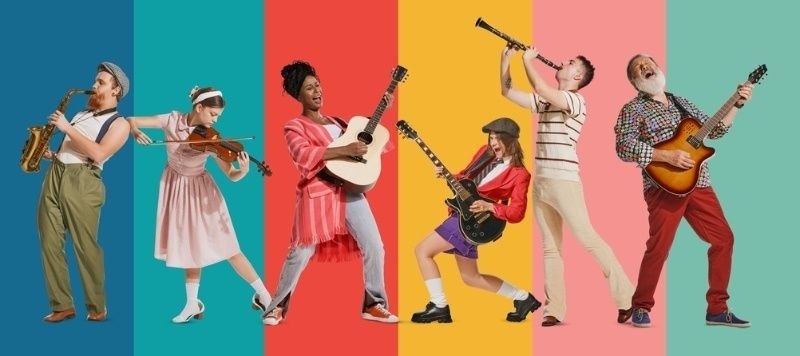
Dropping a track on Spotify and praying the algorithm picks it up is a completely dead strategy in 2026. The gatekeepers did not disappear; they just got replaced by cold, ruthless algorithms that do not care how many hours you spent perfecting your mix. If you want actual human beings to listen to your tracks, you have to weaponize music marketing right now. Talent is just the baseline. Survival means building a brutal, consistent distribution system that forces people to pay attention. Let's break down exactly how you cut through the noise and build a real global fanbase immediately.
Must Read: How AI Agents Are Driving Change in the Modern Work
What is Music Marketing?
Music marketing is the aggressive, deliberate system of forcing your art in front of the exact people who are most likely to care about it. It is not just paying a PR firm to blast out a boring press release that absolutely nobody reads. It is a highly calculated machine built from short-form video content, precise playlist pitching, aggressive email list building, and direct fan engagement. You are essentially operating as a small, highly aggressive media company designed to sell a very specific sonic identity.
Most artists completely misunderstand this concept. They think marketing is a single Instagram post on release day. That is not marketing; that is just an announcement. Real marketing is building a thirty-day narrative around a single track, slicing up long-form studio sessions into dozens of raw vertical clips, and relentlessly feeding the platform algorithms until the target audience has absolutely no choice but to stream the song.
Understanding the Impacts of Social Media for Musicians
Social media is no longer an optional add-on; it is the entire battlefield. Here is exactly how social media for musicians completely dictates industry success.
1. Controlling the top of the funnel
Nobody goes to Spotify to discover brand-new artists anymore. They go to TikTok, Instagram Reels, and YouTube Shorts. Short-form vertical video is the absolute top of the funnel. If you are not grabbing their attention in the first three seconds of a reel, they will never make it over to your streaming profile.
2. Bypassing traditional label gatekeepers
You do not need an A&R rep to tell you if your song is a hit. Social media gives you brutal, instant validation. You can post a rough acoustic demo on TikTok tonight, and if the hook is undeniable, the audience will explode it organically. You hold the distribution power entirely in your own hands.
3. Building a visual identity at zero cost
Fans do not just want to hear the music; they want to buy into your specific aesthetic. Social media allows you to build a massive visual brand using nothing but an iPhone. You dictate exactly how you look, how you dress, and how your world feels without spending a dime on a professional stylist.
How Independent Artists Use Social Media to Reach a Global Audience?
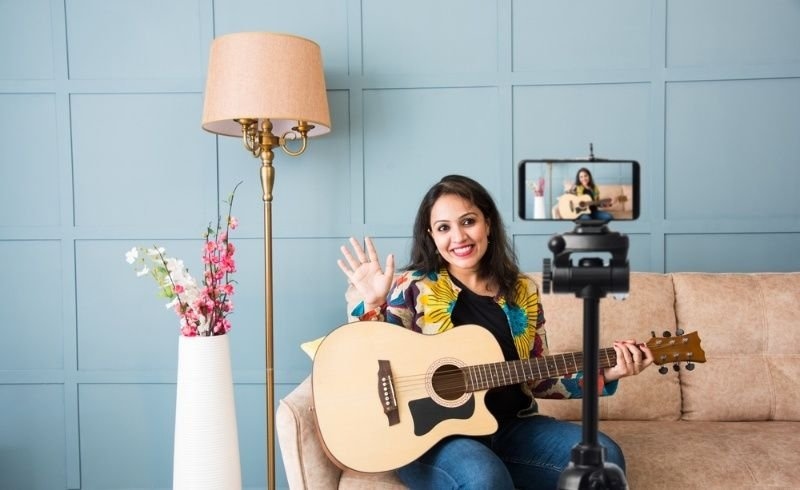
Stop acting local. The algorithm is borderless. Here is exactly how independent artists completely dominate the global stage today.
1. Exploiting hyper-niche micro-genres
You cannot compete with Taylor Swift in general pop. Independent acts find massive global success by leaning hard into hyper-niche sounds like Afrofuturism, Phonk, or PluggnB. By dominating a tiny, highly specific hashtag, you aggregate a fiercely loyal, global audience that mainstream radio completely ignores.
2. Collaborating across international borders
Smart independents use Instagram to find producers and vocalists in entirely different countries. Dropping a track that features a rising artist from Brazil and a producer from London instantly triggers the algorithmic recommendation engines in three separate continents simultaneously.
3. Translating content into multiple visual languages
You do not need to sing in Spanish to reach Mexico. Independents are actively using captions, visual storytelling, and culturally specific aesthetics in their short-form videos to make the content universally understood, completely bypassing the language barrier.
Top Pick: Why Are AI Movie Recommendations Changing How We Watch TV?
Most Popular Digital Music Trends in 2026
If you are still using the old playbook, you are already dead. Here are the absolute top digital music trends you must exploit right now.
1. Total revival of physical media
Fans are completely sick of renting digital files from Spotify. In 2026, cassettes, limited-edition colored vinyl, and CDs paired with exclusive merch are driving massive revenue. Fans want a tangible artifact to prove their loyalty.
2. AI as a hyper-efficient studio assistant
The panic over AI replacing musicians is over. The winners are using AI strictly for workflow efficiency—generating quick chord stems, fixing rough vocal masters, and automating the boring technical aspects so they can focus entirely on the raw human emotion of the writing process.
3. Explosion of spatial and immersive audio
Standard stereo mixes are no longer enough. Platforms are heavily pushing Dolby Atmos and 360-degree soundscapes. Producers who design tracks with extreme depth and immersive panning are getting preferential placement on the biggest editorial playlists.
Things to Keep in Mind for Music Promotion
The following list explains the things that you need to keep in mind for music promotion:
1. Consistency completely destroys random virality
Posting thirty videos over thirty days will always beat betting your entire budget on one highly polished music video.
2. Never link directly to a streaming service
Always push fans to a custom landing page to collect their email address first. You must own your audience data.
3. Stop pitching to giant, unreachable playlists
Target highly specific, niche user-generated playlists. The engagement rate is massively higher, and it actually trains the algorithm on exactly who likes your sound.
Conclusion
You have to stop romanticizing the grind and start building an actual system. If you refuse to learn music marketing, your tracks will simply sit on a server and collect dust. It does not matter how good the mix is if nobody knows it exists. You bypass the industry gatekeepers completely by using social media properly.
Frequently Asked Questions
1. How do managers allocate advertising budgets for a brand-new release?
Savvy managers refuse to spend heavily on paid ads immediately. They wait to see which organic short-form videos gain natural traction first. Once a specific video proves it can hold audience attention, they pour the entire paid marketing budget directly into boosting that proven asset to completely maximize the return on ad spend.
2. Can an artist build a sustainable career without signing away their master recording rights?
Yes. Modern acts completely bypass the major labels by selling directly to their core audience. Building an aggressive email list and touring relentlessly allows an artist to keep total ownership of their master recordings. Running the entire business side takes a massive amount of daily grind, but owning the catalog outright means the artist actually keeps the money.
3. What specific metrics dictate whether a promotional campaign is actually successful?
Vanity metrics like follower counts are practically useless. The industry focuses heavily on save rates, playlist adds, and direct fan retention. If a thousand people stream a track but absolutely zero people add it to their personal library, the algorithmic momentum will completely die within forty-eight hours.
This content was created by AI