
How to Build Muscle: The Ultimate Guide to Proper Gain

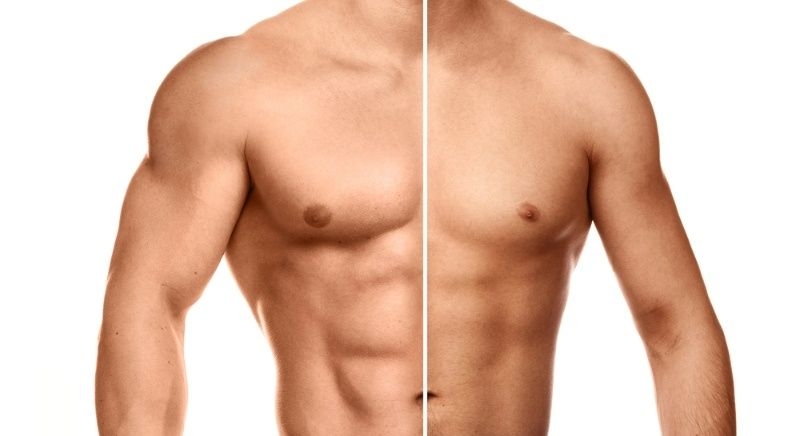
Going to the gym for the first time or even the hundredth time can be really scary. We look at the people with bodies on social media and read about professional athletes, but it is hard to figure out how to get from where we are to where we want to be. Building muscle is not about lifting heavy things; it is a science that needs a combination of hard work, rest, and food.
Many people go to the gym for years without seeing a change in their bodies. This usually happens because they do not understand how muscle grows. Muscle growth is the process by which muscle fibers increase in size. In this article, we will talk about what you need to know to build muscle, give you some useful tips for working out, and provide a workout plan that will help you get the results you want.
Essential Reads: Top Fitness Trends Transforming the Active Lifestyle Scene
How to Build Muscle Fast: The Science of Hypertrophy
While everyone wants to know how to build muscle, the truth is our bodies can only make so much muscle in a week. You can make it happen faster by focusing on three key factors: mechanical tension, metabolic stress, and muscle damage.
To make progress quickly, you need to eat more calories than you burn. Think of it like building a house. You need bricks to make the house. You need extra energy to build muscle. Aim to eat 250–500 calories more than you normally would.
Mechanical Tension:
This is the most important factor. You must lift weights that are heavy enough to challenge your muscles through a full range of motion.
Metabolic Stress:
This is the "pump" you feel. By performing higher repetitions with shorter rest periods, you create a chemical environment in the muscle that signals growth.
Muscle Damage:
When we do hard exercise, it can cause tiny tears in our muscle fibers. This causes our body to repair these tears, making the muscle fibers even thicker and stronger than before. Our body does this to make sure the muscle fibers can handle the exercise next time. The muscle fibers get. They become stronger because of this.
Muscle Building Workout: Choosing the Right Split
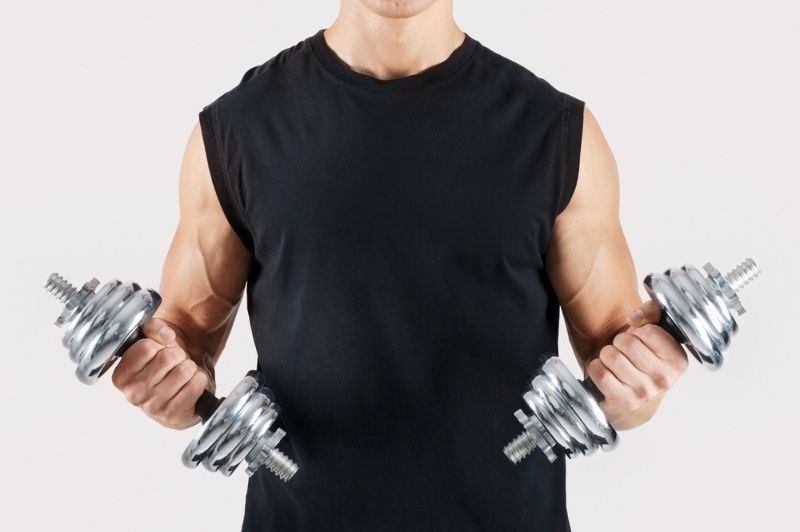
To build muscles, you need to do workouts that get harder over time. This is called overload. It means you have to increase the weight you lift, do your exercises often, or do more repetitions.
When you are making a workout plan, you should focus on exercises that work many muscles at once, like squats, deadlifts, bench presses, and rows. These exercises are good because they make a lot of your muscle fibers work hard. They help your body make more hormones that build muscle.
The Best Splits for Muscle Gain:
- Full-body splits are really good for people just starting out in weightlifting. This is because full body splits work every muscle group in your body three times a week.
- Upper/lower splits are great for people who have been lifting weights for a while. Upper/lower splits let you target each part of your body with exercises.
- Push/Pull/Legs, or PPL, for short, is what a lot of weightlifters use. Push/Pull/Legs is good because it focuses on the ways your body moves when you lift weights.
Must Try: 12-3-30 Workout Guide That Actually Fits Real Life Fitness
Essential Strength Training Tips
If you want to gain muscle mass, you need to train smarter, not just harder. Here are some critical strength training tips to keep in mind:
- Mind-Muscle Connection: Don't just swing the weight; feel the target muscle contracting and stretching. Control the phase of the lift, as this is where significant muscle damage occurs, and muscle growth happens.
- Rest Periods: For hypertrophy, aim for 60-90 seconds of rest between sets. This rest period helps you maintain intensity while allowing enough recovery to perform the set and build muscle.
- Consistency Over Intensity: One great workout won't grow muscle. 50 average workouts will help you build muscle over time. Never miss a strength training session if you can help it. Muscle growth happens with training. You need to train your muscles to see results.
Your Targeted Workout Plan for Muscle Gain
To make things easy, here is a workout plan to gain muscle. It is based on a 4-day split, where you do upper-body and lower-body exercises on different days. This plan will help you get started with muscle gain
Monday: Upper Body (Power)
- Bench Press: 3 sets of 5–8 reps
- Bent-Over Rows: 3 sets of 6–8 reps
- Overhead Press: 3 sets of 8–10 reps
- Pull-Ups: 3 sets to failure
Tuesday: Lower Body (Power)
- Back Squats: 3 sets of 5–8 reps
- Romanian Deadlifts: 3 sets of 8–10 reps
- Leg Press: 3 sets of 10–12 reps
- Calf Raises: 4 sets of 15 reps
Thursday: Upper Body (Hypertrophy)
- Incline Dumbbell Press: 4 sets of 10–12 reps
- Lat Pulldowns: 4 sets of 10–12 reps
- Lateral Raises: 3 sets of 15 reps
- Bicep Curls & Tricep Extensions: 3 sets of 12 reps each
Friday: Lower Body (Hypertrophy)
- Goblet Squats: 4 sets of 12 reps
- Lunges: 3 sets of 10 reps per leg
- Leg Curls: 3 sets of 12–15 reps
- Plank: 3 sets (hold for 60 seconds)
Know More: Build Your Strength with a Rowing Machine Workout Today
Conclusion
Building muscle takes time; it is not something that happens quickly. To build muscle, you need to have a plan for working out and lifting weights, and you have to stick to it. You also need to remember that your muscles get stronger when you are resting, not when you are actually lifting weights. So you have to make sure you get rest, eat plenty of protein, and don't give up on your goals. Building muscle is about being patient and staying focused on what you want to achieve.
FAQs
How much sleep do I actually need to see muscle growth?
Sleep is really important for building muscle. While you sleep, your body is repairing itself. Making you stronger. It does this by releasing hormones that promote muscle growth. You should try to sleep for 7 to 9 hours every night. If you do not sleep enough, your body gets tired. This can hurt your muscles. It can even make your body store fat, which's the opposite of what you want when you are working out. Sleep is like a tool that helps your muscles grow and get stronger, so make sure you get enough of it.
Is it possible to build muscle while losing body fat at the same time?
This is known as "body recomposition." It is actually pretty common for people who are just starting out with lifting weights or those who are getting back into it after a break, often referred to as “newbie gains.” To achieve body recomposition, you need to eat a lot of protein, 1 gram of protein per pound of your body weight. You also need to eat fewer calories than your body burns or just enough to maintain your current weight.
This way, your body can use the stored fat for energy to build muscle as you keep lifting weights. Body recomposition is a bit tricky for people who have been lifting weights for a time.
Do I need to take supplements like protein powder and creatine?
Supplements are not mandatory, but they are convenient tools. Protein powder helps you hit your daily protein targets if you struggle to eat enough whole foods. Creatine monohydrate is one of the most researched supplements and is highly effective for increasing strength and muscle fullness. However, no supplement can replace a solid diet and a consistent training program. Always focus on your "big rocks"—lifting and eating—before worrying about powders and pills.
This content was created by AI