
Top Picks for Once in a Lifetime Things to Do in Los Angeles

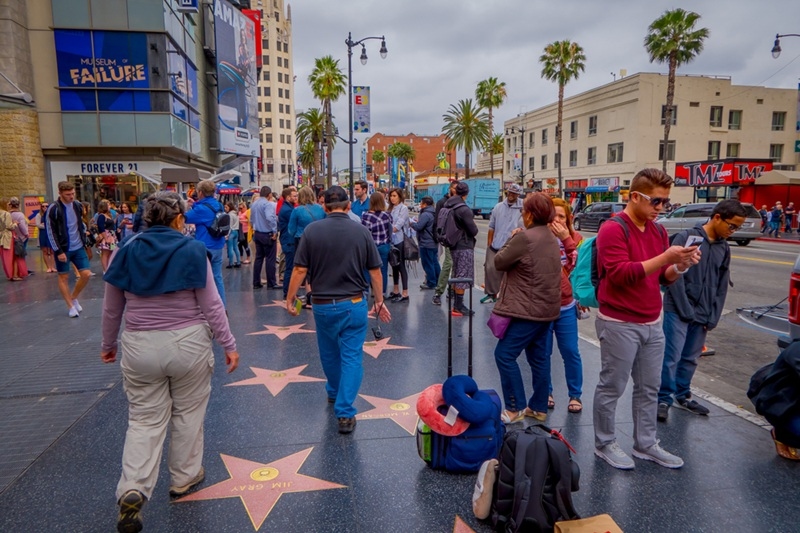
Los Angeles doesn’t try to impress you in a straight line. It sprawls, it confuses, it shines suddenly — then disappears behind traffic or haze. You don’t “finish” LA. You pick moments. Some loud, some strange, some oddly quiet. That’s the pull. People come for beaches or movies but leave remembering a sunset from a hill, a random street taco, a drive that felt cinematic for no reason.
The city rewards those who don’t rush. Skip the checklist mindset. Stay longer in fewer places. Watch things happen. In this blog, we break down the most unforgettable, once-in-a-lifetime experiences you should not miss when visiting Los Angeles.
Once in a Lifetime Things to Do in Los Angeles
You won’t do all of these. That’s fine. Even hitting a few changes how you see the city. LA works in flashes — here are the ones worth chasing.
Walk Up to the Hollywood Sign
It looks smaller from afar, almost fake. But hike up close, and it hits differently. The trail isn’t too hard, yet it drags just enough to make the view feel earned. Heat, dust, uneven ground — all part of it.
At the top, the city spreads out in a strange, quiet way. No soundtrack. Just wind, maybe a helicopter. It feels less glamorous up close, more real. That contrast stays with you.
Drive the Pacific Coast Highway Slowly
People rush this drive. Big mistake. Take your time. Windows down, even if it’s cold. The ocean runs alongside like it’s pacing you. Then suddenly cliffs, then curves, then open sky. Malibu passes almost unnoticed unless you stop.
Pull over randomly. Sit. Watch waves crash for no reason. That’s the moment, not the destination.
Watch Sunset from Griffith Observatory
Crowded, yes. Still worth it. The light changes quickly here — gold, then orange, then a dull blue that creeps in. The city lights flicker slowly like someone adjusting brightness. It doesn’t feel staged, even though it probably is.
Stay longer than others. Most leave too early.
Visit Venice Beach at the Right Time
Go early in the morning or just before sunset. Midday is chaos. Street performers, skaters, artists — it’s loud, messy, unpredictable. Yet early hours? Calm, almost empty. Same place, different mood.
Walk the boardwalk, then drift toward the canals. That shift from noise to silence feels unreal.
Also read: 4 Days in Paris: A 2025 Itinerary for First-Time Visitors
Fun Things to Do in Los Angeles for Young Adults on a First Visit
LA works well if you’re young, restless, and unsure what you want. There’s always something happening, or nothing at all — both useful.
Try a Rooftop Night Without Planning Too Much
Pick a rooftop bar randomly. Don’t over-research. Some will be loud, packed, and overpriced. Others were surprisingly relaxed. That unpredictability is the point. City lights below, music above, conversations half-heard.
You don’t need a perfect night. Just an interesting one.
Explore Downtown Arts District
It’s rough in patches, polished in others. That mix makes it feel alive. Murals cover walls, some fading, some fresh. Cafes sit next to warehouses. You walk without a clear route. That’s fine. Let the place guide you.
Take photos, or don’t. Just notice textures — paint, brick, shadows.
Spend a Day at Santa Monica Pier and Beach
Touristy, yes. Still fun. Ride something, even if it feels childish. Then step off and just walk along the sand. The pier noise fades quickly once you move away.
Stay until evening. The lights come on slowly, almost unnoticed.
Quick List of Easy Wins for Young Travelers
- Rent bikes and ride along the beach path: It’s simple, slightly tiring, but gives you a stretched-out view of the coastline. You pass people, pause randomly, then move again. It feels loose, not scheduled.
- Visit thrift stores in Melrose: You don’t need to buy anything. Browsing itself becomes the activity. Strange clothes, odd finds, plus a sense that you might discover something no one else noticed.
Read More: Top 5 Nude Beaches in Europe for a Perfect Sunbathing Escape
Best Time to Visit Los Angeles for Ideal Experiences
Timing matters more than people think. LA doesn’t have extreme seasons, yet small changes shift the whole mood.
Spring Feels Balanced
March to May. The weather sits comfortably in the middle — not too hot, not too cold. Flowers appear in random corners, and parks look alive again. Crowds exist,t but don’t overwhelm. It’s a good time to explore without rushing.
Summer Brings Energy, but Also Crowds
June to August. Beaches fill up. Traffic gets worse. Everything feels louder. But also — longer days, more events, more life outside. If you like energy, this works. If not, it drains quickly.
Fall is Underrated
September to November. Slightly warmer ocean, fewer tourists. The city relaxes a bit. Sunsets look sharper. The air feels clearer sometimes. It’s subtle, but noticeable.
Winter HasQuitet Advantages
December to February. Cooler, occasionally rainy. Yet less crowded. You get space. Attractions feel slower. It’s not the classic LA vibe, but it shows a different side — calmer, less performative.
Suggested reading: What Are the Best Things & Thrills to Do in San Francisco
Conclusion
Los Angeles doesn’t hand you its best moments easily. You have to notice them. Sometimes they come from famous places, sometimes from nowhere — a quiet road, a random meal, a view you didn’t plan for. That’s why it feels different from other cities. It doesn’t perform consistently.
You don’t need to do everything. Pick a few experiences, stay present, and move slower than the crowd. Let the city unfold in uneven pieces.
When planning your journey, be smart and keep it simple by using a site such as Leisure.com, which can help with flights, hotels, itineraries, locations, and travel planning. All of this can be achieved with little effort by creating simple plans.
FAQs
What do people usually miss when visiting Los Angeles?
Many people avoid experiencing the subtle things they can do in LA, instead focusing on only the larger attractions and missing out on smaller experiences like early morning walks or late-night trips. These moments can often create more meaningful memories than visiting a crowded attraction.
Is Los Angeles a safe place for a solo traveler?
For the most part, yes; this is really going to depend on where you are and what time it is. Try to remain in known areas, avoid walking down empty streets late at night, and be aware of your surroundings. Awareness is much more important than being afraid when you’re in a major city.
How long do you need to spend in Los Angeles for your first visit?
Generally, a week is a good amount of time to see LA for someone on their first time there, since anything shorter than a week will leave you feeling rushed, and anything longer will allow you to take your time and actually see LA, rather than just passing through.
Do you need a vehicle to get around Los Angeles?
For the majority of people visiting LA, a vehicle would be the most convenient mode of transportation, although there is a public transportation system in place that does exist, and these are a little more difficult to use for anyone visiting the city.
This content was created by AI