
AI in Movie Production: Transforming Hollywood VFX Workflows

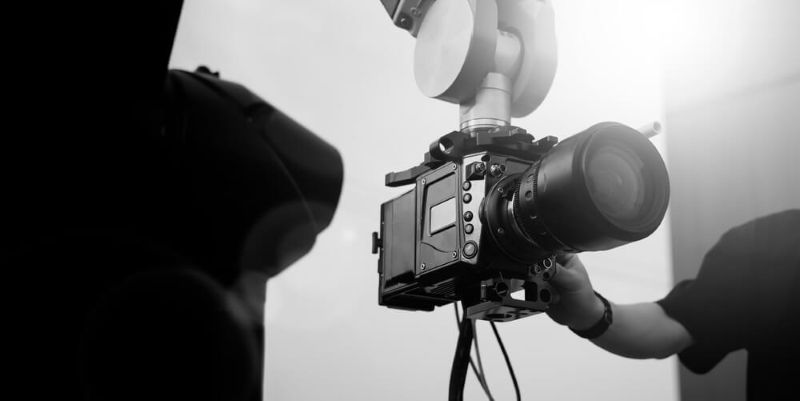
Hollywood never stops chasing the next big thing in filmmaking tech. First, everyone went digital. Then came motion capture. Now, something new is shifting the ground under Hollywood’s feet—AI. It’s not just hype. AI is quietly but steadily changing how studios build visual effects, edit scenes, and even plan shots before a single frame gets filmed.
And this isn’t some science project locked away in a back room. Studios, VFX shops, and post-production teams are already putting AI to work, handling jobs that used to eat up weeks in just a fraction of the time.
Here’s the real twist: AI isn’t here to push artists or directors out of the picture. It’s more like a power tool—cutting out the boring, repetitive stuff so creative people can actually focus on being creative. Whether it’s editing tools that make a film editor’s life easier or next-level visual effects that audiences can’t help but notice, AI is slowly but surely changing how Hollywood builds those incredible worlds on screen.
The Rise Of AI In Movie Production
Making movies has always been about blending art with technology. Sure, cameras capture the magic, but it’s the software that really brings it to life.
So, what’s different now? AI is just the latest—and maybe the most interesting—chapter in that story.
How AI started appearing in film workflows
AI didn’t crash onto the scene with a big bang. It snuck in through post-production software.
Suddenly, editing platforms got smart. They learned to recognize faces, spot different scenes, tag clips for easy searching, and even steady shaky footage.
If you’ve ever spent hours sorting through endless takes, you know how huge this is. What used to take forever—sorting, tagging, finding that one perfect shot—now happens almost instantly.
And honestly, that’s just the start.
Why studios are investing in AI filmmaking technology
Big Hollywood movies run on mountains of data—thousands of VFX shots, terabytes of footage, endless animation files, and so many versions it’ll make your head spin.
AI helps wrangle all that chaos. It sorts footage, predicts what needs to be rendered, and helps VFX teams keep everything organized. The result? Smoother production, fewer headaches, and much less waiting around in post-production.
When a single delay can cost millions, that’s a big deal.
Suggested Reading: The Evolution of Movie Streaming: From DVD Rentals to OTTs
AI Visual Effects Movies And Smarter VFX Pipelines
VFX has always been a grind. Artists spend ages building worlds, animating characters, and rendering every tiny detail.
Now, AI’s stepping in to take some of that weight off their shoulders.
AI-assisted rotoscoping and object tracking
Rotoscoping—basically tracing objects frame by frame—might be the most mind-numbing part of VFX. It’s slow, it’s tedious, and nobody loves doing it.
AI tools can now spot and track objects automatically. Artists still polish the results, but the heavy lifting happens way faster. Prepping scenes, adding new elements, getting everything lined up—it’s all smoother.
Digital environments created with AI support
Big blockbuster worlds—cities, alien planets, fantasy landscapes—all need massive digital environments. AI helps build them. It can generate textures, landscapes, even realistic clouds and crowds.
The final look still needs a human touch, but AI handles the grunt work, freeing artists to focus on the details that matter.
Don't Miss: Why Streaming Platforms Rule the Streaming Awards Season
AI Editing Tools Film Professionals Are Adopting
Editing is where the story really comes together. Editors often dig through hundreds of hours of footage to carve out a movie that lasts just two.
AI is making that mountain of work a lot less steep.
Automated scene detection and clip organization
Today’s AI editing tools can tag dialogue, spot emotional moments, track camera movements, and identify which actors are in which shots. Editors don’t have to watch every single clip—they can search by tag and find what they need in seconds.
AI-assisted rough cuts
Some editing platforms even build rough cuts on their own. The AI reads the script and shot list, checks the footage, and assembles a first draft of the scene.
Editors still shape the final cut, but that first version lands on the timeline so much faster. It’s like having a smart assistant who does the setup, so you can focus on making it great.
Artificial Intelligence Hollywood Studios Are Using
The phrase “artificial intelligence in Hollywood” might sound futuristic, but the truth is, it’s already part of how movies get made. Studios and VFX houses are testing out all kinds of AI tools—and these tools just keep getting better.
Common AI tools used in film production
These days, creative teams rely on a bunch of AI tools at almost every stage of making a movie.
Here are a few standouts:
- Adobe Sensei features in Premiere Pro and After Effects
- Runway ML for AI-driven video editing
- Unreal Engine for real-time virtual environments
- Topaz Video AI for footage enhancement
Each of these tools handles a different piece of the puzzle. Some sharpen image quality. Others handle the boring, repetitive editing chores.
But really, they all aim for the same thing: cutting down on busywork so artists and editors can focus on the fun, creative stuff.
Where AI fits in the filmmaking pipeline
AI pops up all over the production process now.
| Production Stage | How AI Helps |
|---|---|
| Pre production | Script analysis, shot planning, virtual storyboards |
| Filming | Camera tracking and virtual environments |
| Post production | AI editing tools film professionals use for sorting footage |
| VFX | Scene simulation and digital asset generation |
All this tech isn’t just a trend—it’s changing the way movies get made from the ground up.
Also Read: Check Out The Best Classic Movies You Can Stream Right Now
Conclusion
AI isn’t here to replace filmmakers. It’s changing the way they work.
Today’s Hollywood studios use AI to speed up editing, make VFX prep less of a headache, and wrangle the mountain of data every big production creates. Things that used to take weeks now happen in a matter of hours.
But the heart of filmmaking stays the same. Directors still shape the story. Artists dream up the worlds. Editors craft the emotion in every scene.
AI just clears the way so they can do more of what they love.
As tech keeps evolving, one thing’s obvious: the best movies will come from teams where human creativity and smart software work side by side.
FAQs
What Is AI In Movie Production?
AI in film is all about using machine learning tools to help with editing, visual effects, organizing footage, and boosting image quality.
How Is AI Used In Hollywood Visual Effects?
AI speeds up tasks like rotoscoping, tracking objects, and simulating environments. Artists still polish the final look, but AI handles the grunt work.
What Popular AI Editing Tools Do Film Professionals Use?
Editors often reach for Adobe Premiere Pro (with built-in AI features), Runway ML, and Topaz Video AI to organize, clean up, and speed through their edits.
Will Artificial Intelligence Replace Human Filmmakers?
No. AI takes care of the technical and repetitive stuff. Directors, editors, and VFX artists still call the creative shots—and that’s not changing anytime soon.
This content was created by AI