
Independent Musicians Building Successful DIY Music Careers

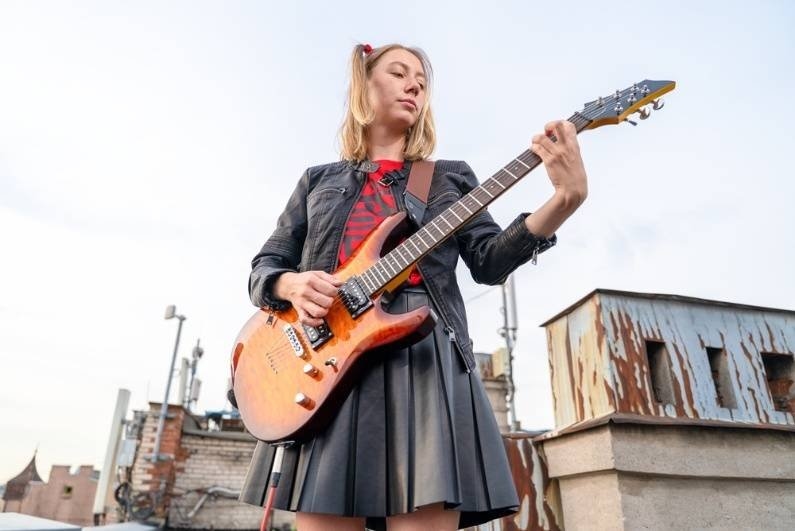
Music has changed a lot in the last ten years. The old way used to look pretty straightforward: get signed by a label, record your songs, hope for some marketing, and try to build a career from there. That route is still around, but honestly, it’s not the only way—and for plenty of artists, it’s not even the best way anymore.
Musicians today have a lot more freedom. They can create, share, promote, and even make money off their music without a label breathing down their neck. Technology opened that door, and fans have changed, too. People care less about labels and more about actually connecting with the artists they listen to.
Going independent isn’t rare now; it’s normal. That’s what this blog is about—how independent musicians are building careers by themselves, what tools are giving them an edge, and why this whole shift is changing the industry.
How Independent Musicians are Changing the Music World?
Independent Musicians are no longer operating at the edges of the industry. They are shaping it. Artists today can produce songs from home, upload tracks globally, build fan communities online, plus generate income without traditional gatekeepers. That changes power dynamics in a big way.
Everything comes down to control now. Musicians get to call the shots—how they sound, when their music drops, and how they stay in touch with fans. That kind of freedom? It’s a game-changer, but it means artists have to take on a lot more, too.
It’s not just about writing great songs. These days, musicians have to think about branding, promoting their work, dealing with distribution, and figuring out how to keep their audience hooked—all on their own sometimes.
DIY Music Creation is Opening New Doors
DIY music production changed the rules. Anyone with the right tools can make and release songs, and it doesn’t matter if you’re working out of a bedroom or a fancy studio.
Technology lowered the barrier.
Home Studios are Becoming the New Standard
More musicians now record from bedrooms, home studios, or small personal setups. This reduces costs dramatically. It also gives artists more time to experiment. No pressure from expensive hourly studio bookings. No rushing.
Creative freedom grows in private spaces. That matters a lot.
Affordable Tools Changed Everything
What tools do musicians use today? They’re affordable and easy to get. Now, any artist can grab software for recording vocals, making beats, mixing tracks, mastering, and even sound design. These used to be out of reach unless you had a big budget or industry connections, but not anymore. Everything feels a little more level.
Independent Music Artists are Building Direct Fan Relationships
One major advantage for Independent Music Artists is direct audience connection. Artists no longer need layers of middlemen to reach listeners. Social media, streaming platforms, newsletters, plus fan communities changed the relationship.
Fans want access. They want stories behind songs, studio clips, creative process, and real personality.
Authenticity Builds Stronger Communities
Independent artists often win because they feel real. They share messy drafts. Behind-the-scenes clips. Wins, failures, process. Fans connect with that honesty.
Perfect branding matters less now. Realness travels faster. People want to support artists they connect with.
Community Creates Long-Term Growth
Sure, going viral gets you eyeballs, but fans who stick around long term? They actually build your career. Artists who consistently engage with listeners often create stronger long-term support through merch sales, live shows, subscriptions, plus direct fan contributions.
A thousand loyal fans can change everything. Sometimes that’s enough.
Don't Miss: How Music Marketing Helps New Artists Reach Their Audience?
The Independent Music Industry is Growing Fast
The Independent Music Industry has expanded in a big way. It is no longer a small alternative to major labels. Independent artists now generate massive streams, sell out tours, and build profitable businesses around music.
That growth reflects a broader industry shift. Power is spreading.
Streaming Changed Distribution Forever
Music distribution is easier than ever. Artists can now release music across global streaming platforms without needing label approval. This gives them speed, flexibility, plus wider reach.
A song made today can reach listeners tomorrow. That was not normal before. Speed changes strategy.
Revenue Streams are More Diverse
Independent artists earn money from more than streaming.
There’s also more than one way to make money: live gigs, merch, licensing, crowdfunding, subscriptions, and even deals with brands. Spreading out your income means you’re not putting all your eggs in one basket. Smart artists keep those options open.
Digital Music Creation is Accelerating Creative Freedom
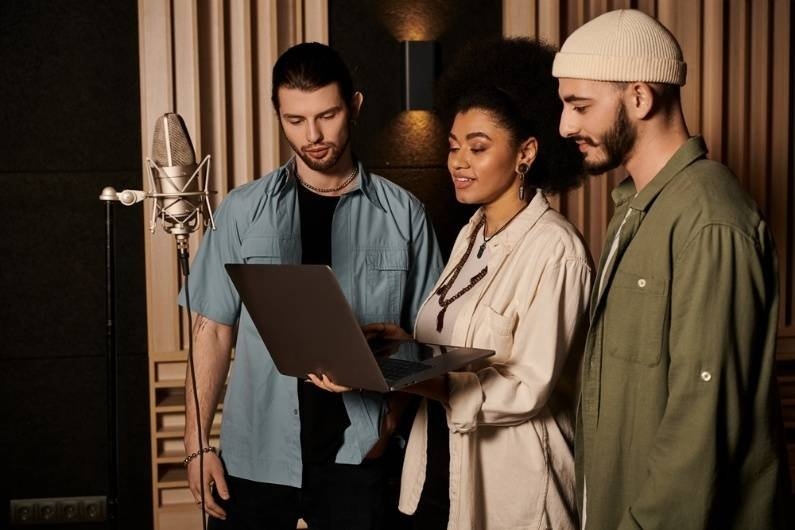
Digital music creation is changing how artists make music. The process is faster, more flexible, plus far less restricted than before. Artists can experiment constantly.
That speed encourages creativity.
Faster Production Cycles Help Artists Stay Relevant
Artists no longer need to wait months between releases. The advent of digital technology has made it easy for musicians to produce their music and experiment with new concepts, whether through new sounds or new styles, by easily producing new sounds and styles and collaborating with other musicians at a low cost.
Audiences respond to momentum. Artists who disappear for too long often lose attention.
Experimentation is Easier Than Ever
Digital production makes experimentation cheaper. As well as this, they are able to explore multiple genres and sounds, create collaborations, and use varied methods of producing music while needing to risk very little financially.
Not every experiment works. That’s fine. The freedom to fail is useful, too.
Also Read: Discover Korean Pop Music That Captivates Gen Z Worldwide
Conclusion
The future of music looks wide open. Independent artists got the tools and chances that barely seemed possible a few years back. Yeah, it’s still tough, and there’s lots of competition—nobody’s denying that. It takes patience to grow. But now, artists hold the reins. They don’t have to wait for someone else’s permission to build a real career.
Artists who blend creativity, steady work, business smarts, and real audience connections have a good shot at making it. Doing it yourself isn’t really easier, but it gives you something huge—freedom. And for a lot of musicians, that’s worth it.
FAQs
What is DIY Music Creation?
DIY music creation is all about making, recording, mixing, and releasing music on your own without depending on major labels or pricey studios. You use your own tools and digital platforms, and you stay in charge from start to finish.
Can Independent Musicians Earn a Full-Time Income?
Absolutely. Plenty of independent musicians make a living by stacking up different revenue streams—streaming, live shows, merch, licensing, crowdfunding, subscriptions, all that. The real trick is mixing music with smart business moves.
Do Independent Artists Need Expensive Equipment?
No. Most artists begin their careers using basic equipment such as a computer, headphones, a microphone, and quality music-making software to create their own music. You do not need expensive tools to start creating your own property as a musician, as long as you have creativity and determination.
Is Social Media Necessary for Independent Musicians?
For almost everyone, it’s pretty much essential now. It’s the easiest way to reach fans, share your music, and keep people interested. If you want to grow your audience and stay on the radar, social media just works.
This content was created by AI